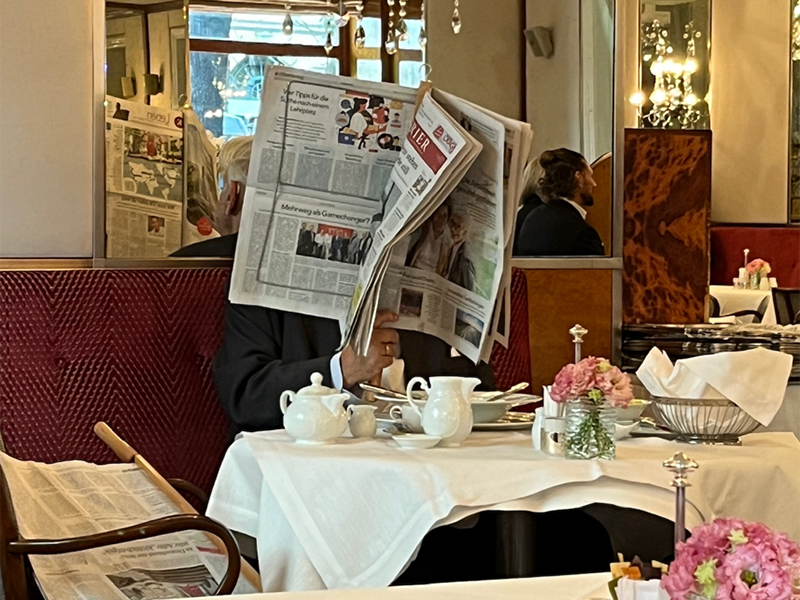
While character and plot are the backbones of any story, setting also plays an integral role in narrative. Setting establishes where the action takes place, providing the mood, atmosphere, and colour to make the story come alive for the reader. Settings act as a metaphor to understanding the characters’ reality, struggles and aspirations. Whether the story plays out in the house next door or on a distant space ship, settings help ground the reader in the world of the characters.
As a writer, I spend a lot of time in my characters’ heads. These characters often exhibit serious emotional issues and plenty of free-floating anxiety. Some (usually the antagonists) can be fatally deranged, harbouring anti-social tendencies or even psychopathy. To string out a story, it’s my job to make my characters’ lives even more miserable, propelling the narrative relentlessly forward. It should be no surprize that my characters complain constantly about their mistreatment.
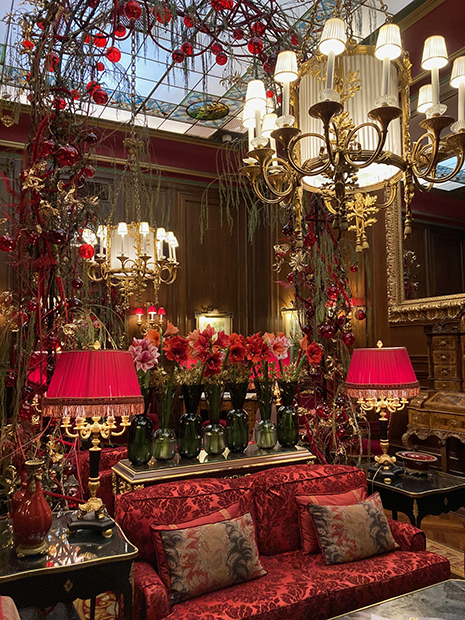
So, how do I pacify this reluctant troop of circus performers trudging toward the climax? I place them in wonderful settings! Call it the White Lotus approach. No dank prisons, post-apocalyptic hellscapes or snake-invested jungles for my cast of misfits. I let them duke it out in 5-star hotels, Michelin Guide restaurants and bucolic manor houses nestled near riverbanks, places rich in history, art and natural beauty.
In A Painting to Die For, a story about art fraud and money laundering, the luxurious hotels, restaurants and flats reflect the grasping aspirations of the central characters, a mirror world of shiny, perfect objects that Bill, the struggling protagonist and closet connoisseur, is drawn.
The inspiration for A Painting to Die For came after a brief Christmas visit to Claridge’s fifteen years ago. My wife and I had decided to splurge during the final leg of a sabbatical. The experience inspired much of Chapters 5 and 6, including the menacing, private security guard who vanishes, and the afternoon tea encounter, the first time we meet Anne in A Painting to Die For.
The menacing-looking bodyguard described in Chapter 5 really did exist and, to this day, I regret not asking him what he was doing stationed near our room (not that I expected to get a straight answer!). However, that nagging bit of sand in my Oyster-like brain slowly turned the mystery into a narrative pearl. When COVID arrived, I decided to turn it into an incident in A Painting to Die For.
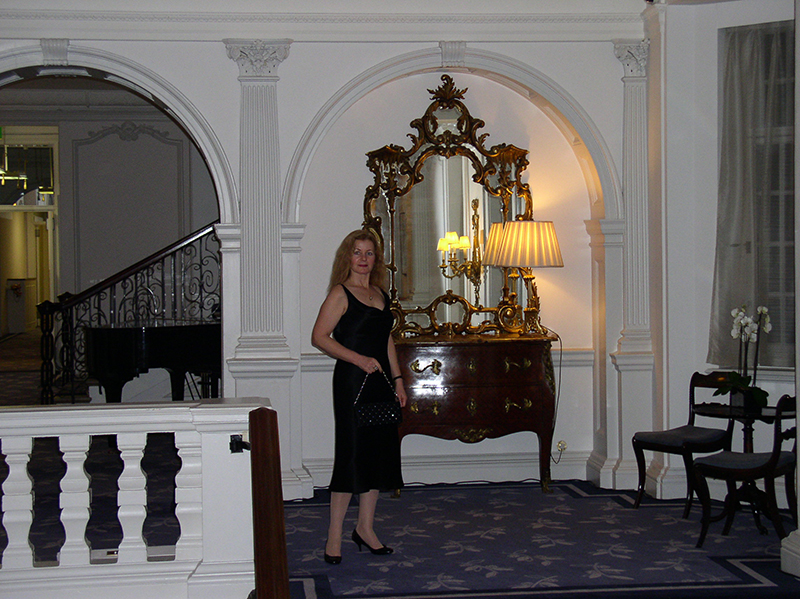
Settings make a story richer, adding mood, texture and atmosphere (think, the ruins of post-war Vienna in The Third Man, West Egg in The Great Gatsby or the space ship in 2001: A Space Odyssey). They ground the narrative, contextualizing the world of the characters, making their experiences relatable to the reader or viewer.