

To enjoy A Painting to Die For doesn’t require any specific knowledge of art. However, like doctors and lawyers, art dealers use jargon rooted in their professional craft. One term used frequently in art circles is Postmodernism. In A Painting to Die For, there is a lively discussion about it during a dinner party. But what does the term actually mean? And why did it become one of the most consequential art forms of the modern age? Here are a few basics:
To begin with, Postmodernism impacted most aesthetic disciplines from literature to art to architecture to media in the 20th century and its influence continues to resonate to this day, especially in how we regard truth as a construct, rather than an absolute. Postmodernism attempts to “deconstruct” cultural and societal norms, value systems, assumptions and biases. Its concepts have been adopted by many specialties including cultural studies, linguistics, economics and feminist theory.
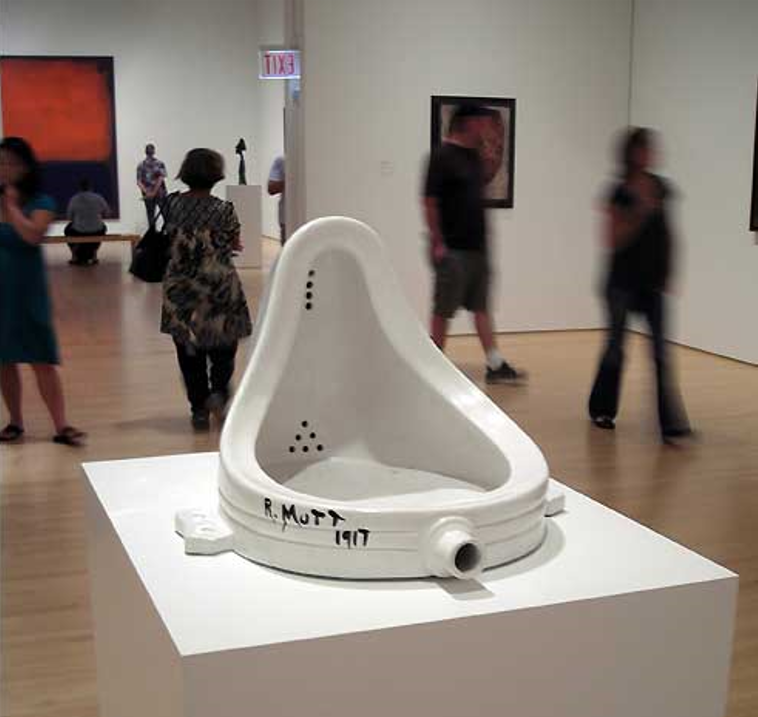
Post-Modernism began as a reaction to early twentieth-century Modernism. Modernism included Cubism and Abstractionism in which art was gradually pared down, stripping away the decorative and narrative elements in art. This cerebral approach to artmaking removed it from social engagement and critique. Consequently, Modernist art became associated with elitism, cut off from the reality of the everyday.

New artists began absorbing electronic media and industrial design into their work, filling the content void with simple, direct narratives. This new aesthetic was accessible to both audiences and consumers, offering a wide range of ironic, subversive, violent, humorous and banal messages, critiquing contemporary culture and turning the unremarkable into the extraordinary and, sometimes, monumental. Fueled by the social and political chaos of the Twentieth Century, artists and aesthetic philosophers challenged humankind’s ability to create order, balance and harmony through reason. Thinkers, led by French philosophers like Jacques Derrida “decoded” or “deconstructed” what they saw was the ‘hidden’ meanings, agendas and values expressed in media. Instead of a focus on craft the object became secondary to the idea (an often text-based approach known as conceptual art).
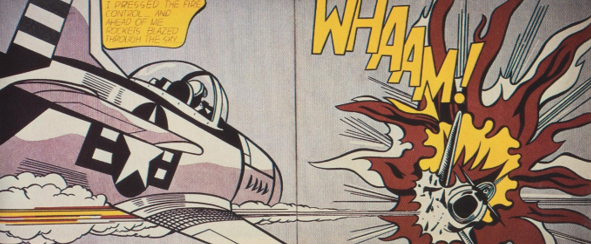
Post-modernism changed how we see the world. Absolute truth was challenged and deconstructed. The idea of multiple truths emerged, as conventional narratives were viewed ironically. Texts were studied as “sites of conflict” within given cultures, to root out systemic cultural bias and oppressive power structures that privileged or disadvantaged. Concepts such as truth, beauty and equality were seen as human constructs – myths manufactured by society and reflected in mass media. Issues of race, gender and sexual orientation became central in these discussions. It is easy to see how this process opened up fresh ways of seeing, then, over time, became the victim of culture wars between progressive and conservative forces.
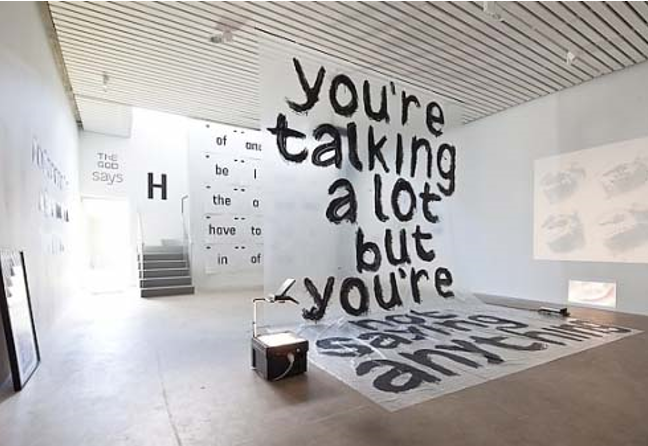
Like all ‘isms’ Postmodernism is now subject to critique itself, as society grapples with not only the notion of multiple truths but alternate facts and weaponized disinformation. Sadly, when nothing is true, art becomes a consumer product, a recurring theme in A Painting to Die For.
